
35-090 Hochpfähle mit teller mine '43
SKU: 35-090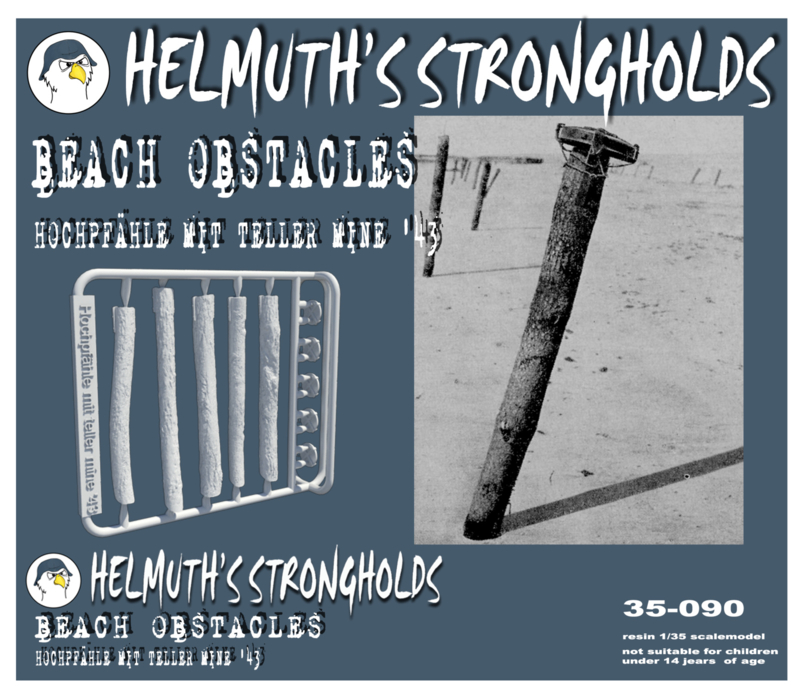
| Specification | Description |
|---|---|
| Weight | 0,5 Kg |
🔥 Unique WWII Beach Obstacles – 1:35 Scale Resin Set 🔥
Bring your diorama to life with this highly detailed set from Helmuth's Strongholds.
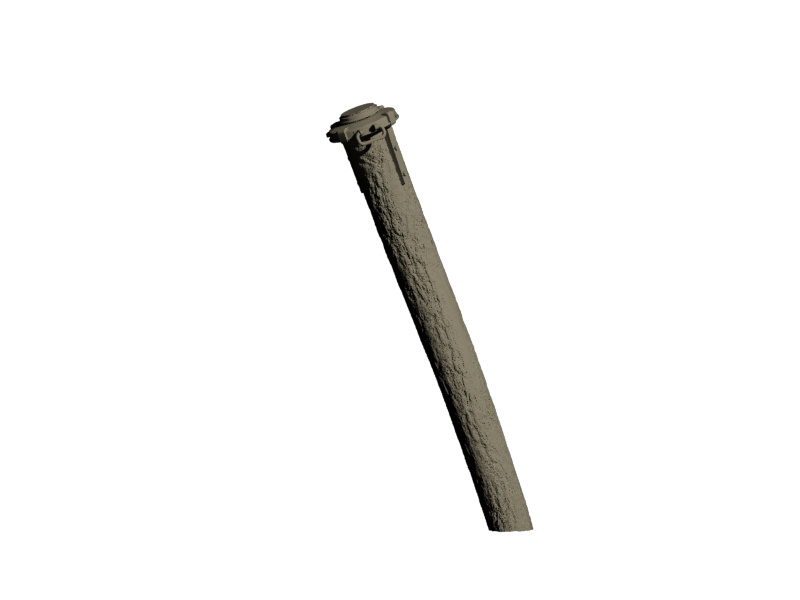
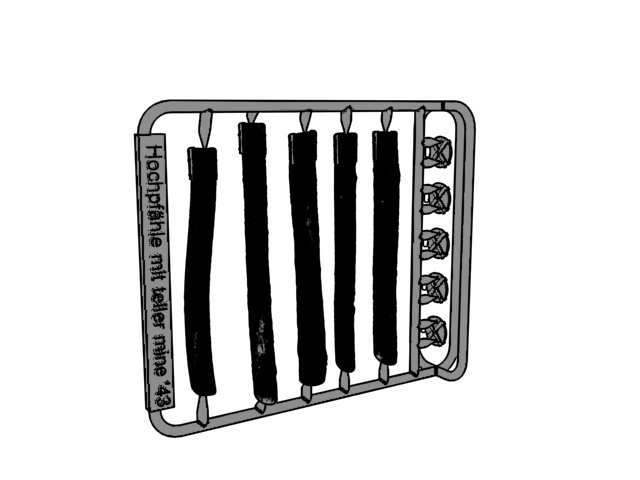
This “Hochpfähle mit Tellermine ‘43” set includes 5 individually crafted poles, each with its own unique shape and texture—perfect for adding realism and variation to your scene.
✔️ Authentic WWII German beach defenses
✔️ Based on the iconic Tellermine 43
✔️ High-quality resin 3d print with fine detail
✔️ Ideal for Normandy / Atlantic Wall dioramas
✔️ Scale: 1:35
Whether you're recreating scenes from the D-Day landings or building a custom coastal defense setup, this set adds that extra layer of historical accuracy.
💥 Perfect for collectors, modelers, and WWII enthusiasts
💥 Each piece is unique – no repetitive look
Ready to upgrade your diorama? Don’t miss out on this distinctive set.
German beach obstacles ordered by Field Marshal Erwin Rommel ahead of the Allied landings in June 1944. These weren’t random improvisations—they were part of a coordinated effort to destroy landing craft in the surf zone, not just on the sand.
Hochpfähle (high stakes)
- Tall wooden stakes driven into the seabed, usually angled toward the sea
- Many were fitted with Tellermines or other explosives
- Positioned so that at rising tide, landing craft would be pushed onto them
- The goal wasn’t floating into explosions so much as impaling the hull and detonating the charge on contact
- These obstacles were most dangerous at mid to high tide, when they were partially submerged and harder to see
- At low tide, they were exposed—but that forced Allied troops to:
- Land farther from shore
- Cross a long stretch of open beach under fire
- So the system created a trade-off: avoid obstacles, but increase exposure
Effectiveness
- They did cause damage and chaos, especially in the first waves
- But many mines failed, and Allied engineers cleared lanes under heavy fire
- The obstacles were a serious complication, not a decisive stopper
So yes—low-tech, clever, and tactically disruptive—but their real strength was in forcing the Allies into a timing and positioning dilemma, rather than guaranteeing destruction of landing craft.